Route Choice: Helsinki or Tallinn?
Route choice! meta-title "Route Choice: Helsinki or Tallinn?"! meta-description "Why I chose the Nordic corridor over the Baltic coast for my 2027 tour"! published 2026-10-08
The goals for my Tour Fit 2027 ride from the Baltic to Spain in summer 2027 are
• to escape the heat of Spain from June to September,
• to explore new parts of Europe,
• to feel like a kid again on my bike, and
• to challenge myself to be fit and healthy as I hit 70 years old.
But the first question was “Where to start”. I had originally been firm on beginning in Tallinn because I wanted to return to Estonia. But as I began looking at the route I thought again and started comparing beginning in Helsinki or Tallinn.
Both work on paper. Option A — the Nordic Loop — runs Helsinki → Turku → overnight ferry to Stockholm → south through Sweden → Denmark → Gedser–Rostock ferry into Germany → Baltic coast → Hamburg → Lüneburg Heath → Sauerland/Möhne/Ruhr valleys → the Rhine at Duisburg, then the EuroVelo 15 southbound toward Basel and on toward Spain. Option B — the Baltic Coastal Run — starts in Tallinn and runs through Latvia, Lithuania and the Curonian Spit, then along the Polish coast into Germany and south to the same Rhine connection.
Option B is, frankly, the more dramatic ride. That's the version a guidebook might sell. I chose Option A anyway, and the reasons are worth writing down because they say more about how I plan tours now than about which route is "better."
Reason 1: Smooth ride
Yesterday, a mid-20 year old who planned to spend the night at my apartment sent me a message that he’d injured his back while riding and needed to cancel the remainder of his three-week bike trip.
I mention that because protecting my joints and having less risk of falls is an important factor — more than distance or climbing. A suspension e-bike like my R&M Homage 5 absorbs a lot, but not everything, and months of rough surfaces are a cumulative injury risk, not a one-day problem. Add to this the danger of a fall because of uneven or ill-maintained paths.
My research showed a stark lopsidedness. The Nordic corridor offers predominantly paved, often certified cycle routes with consistently excellent surfaces. The Baltic corridor has genuinely rough sections: Latvian coastal roads that multiple independent riders describe as laborious, rocky and dusty; variable surfaces in Lithuanian forests; rough gravel persisting on parts of the Polish coast despite upgrades.
I traded wildness for stability. At 70 years old, that trade is correct.
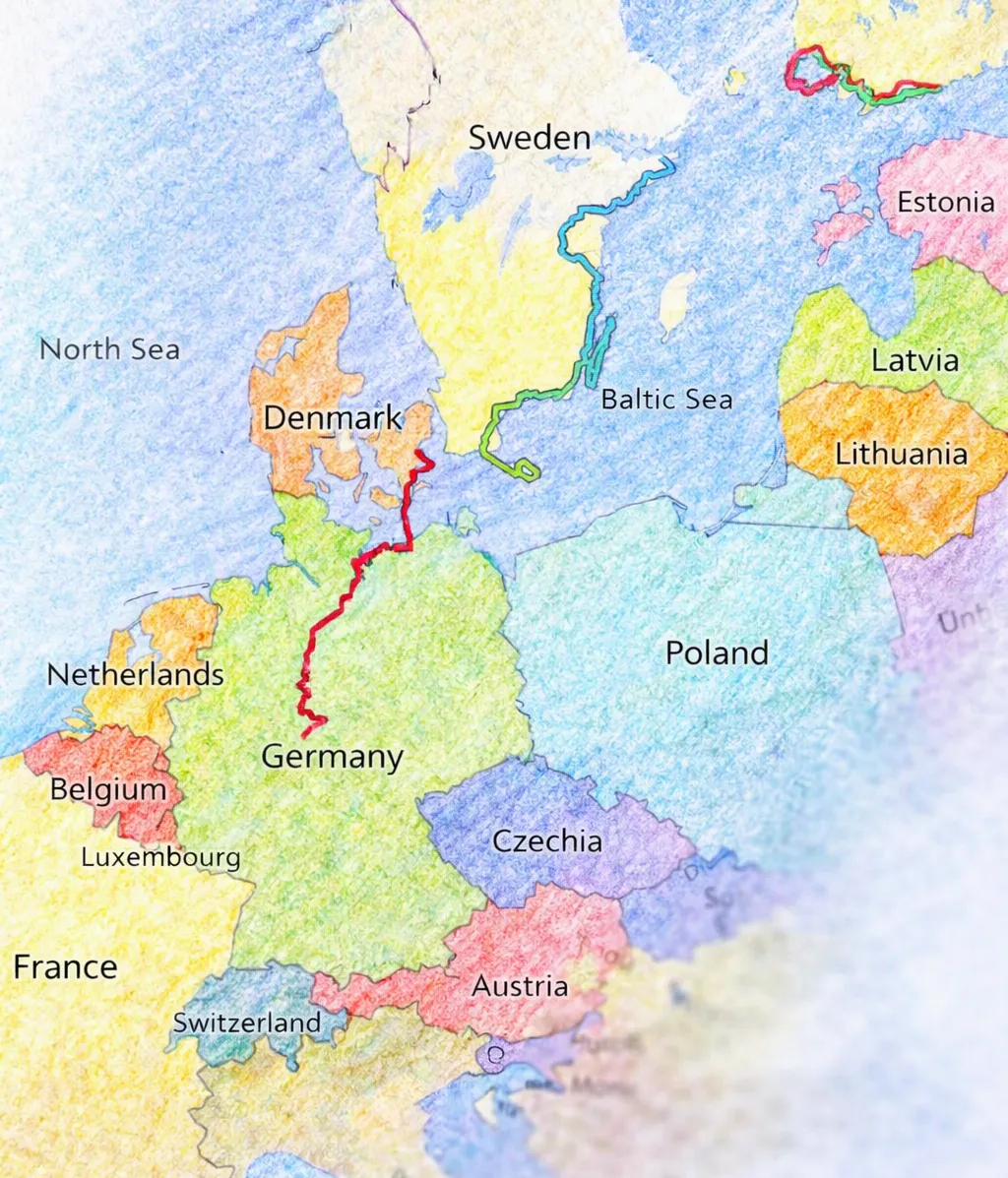
Reason 2: A bed every night
I loved camping when I was in my 20s and 30s and the idea of seeing the stars on a clear night in Finland is appealing. But I don't want to camp or carry camping gear for a quarter of a year. That single requirement reframes route planning more than anything else.
In Denmark, Sweden and northern Germany, hotels and guesthouses appear at reliable intervals — often every 20–30 km — and cyclist-friendly certification schemes like Bett+Bike let you audit towns in advance. In rural Latvia, Lithuania and interior Poland, accommodation is sparse, with reported gaps of 60–80 km where you plan meticulously or risk having nowhere to sleep.
Riding solo at 70, arriving exhausted at a village isn't a convenience. It's a safety issue.
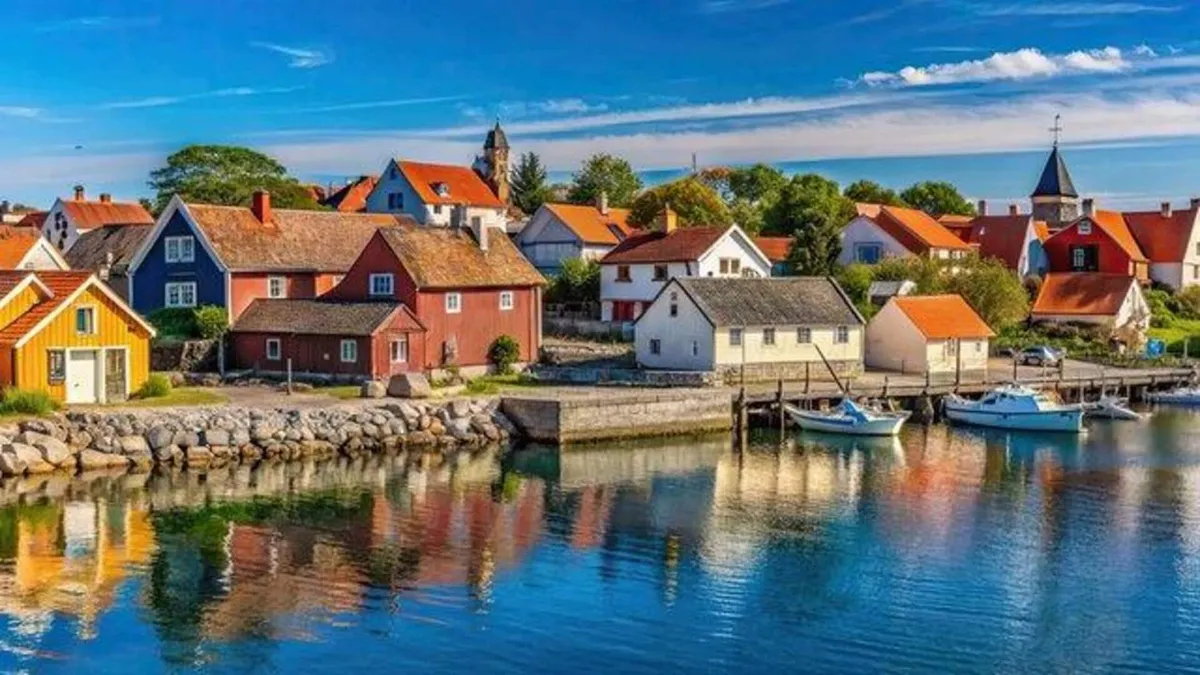
Reason 3: What I gave up — and what I got instead
There are trade-offs I’ve made:
- The Curonian Spit's sand dunes and pine forest are wilder than anything the Nordic corridor offers.
- The WWII and Eastern Front history along the Estonian–Polish corridor — Stutthof, Westerplatte, the occupation museums of Riga and Tallinn — is heavier and richer than what Denmark and northern Germany can match.
- The Baltic states are cheaper.
What I got instead: WWII bunkers in Denmark, Hanseatic Lübeck, the Möhne Dam of the 1943 Dambusters Raid, the industrial heritage of the Ruhr, the Turku Archipelago (see below map) as a flagship cycling destination in its own right, and a Rhine gorge finale.
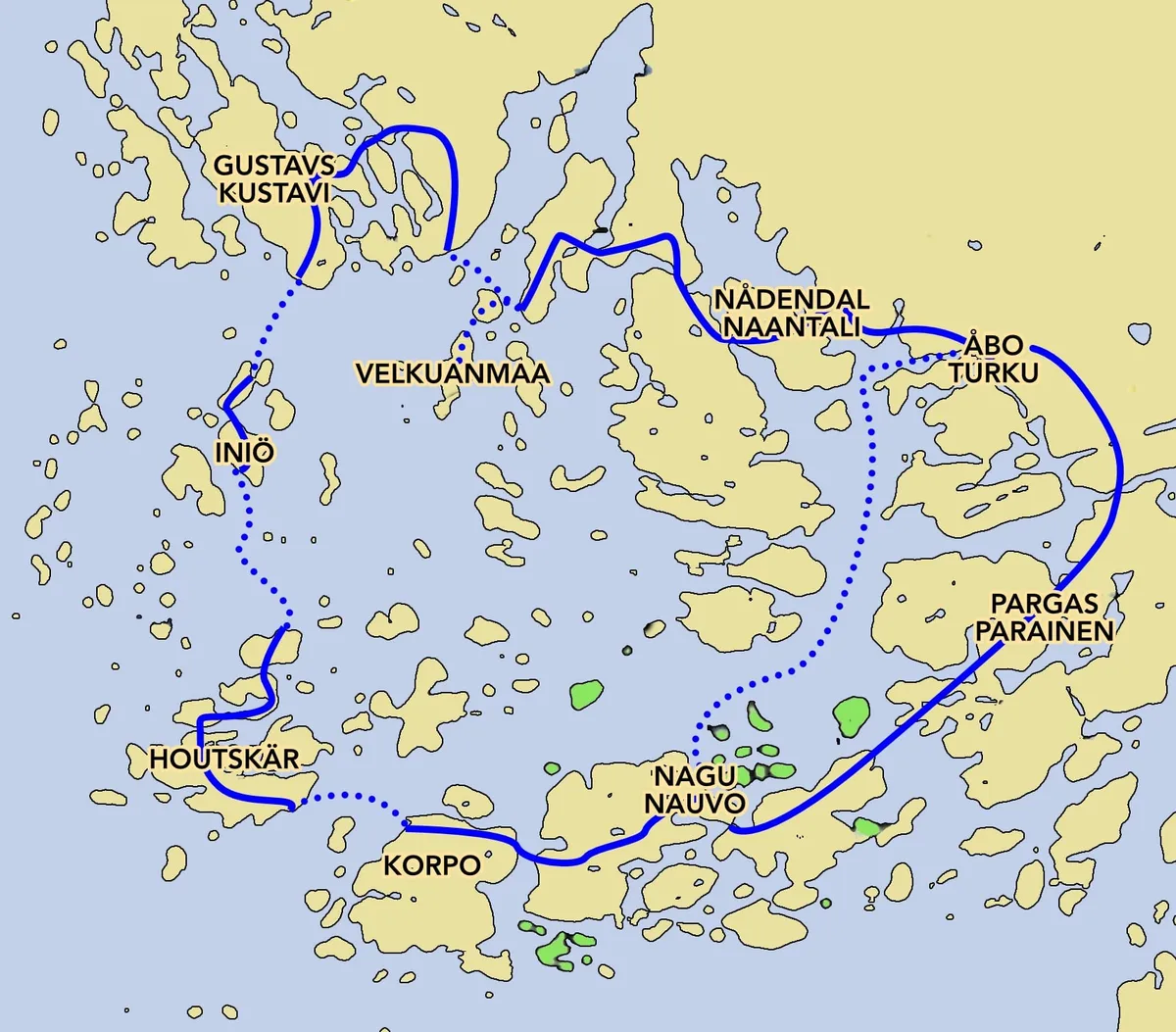
I didn't choose the best route; I chose the best route for me.
Reason 4: Escape hatches
Three secondary factors confirmed the choice.
First, the Nordic corridor is threaded with regional rail lines that carry assembled bikes without reservation in Germany — a bail-out option on a bad day.
Second, repair access, including e-bike-capable workshops, is dense in Denmark, Sweden and Germany and sparse in the rural Baltics.
Third, Option A's dependencies are ferries — the Helsinki–Stockholm overnight and Gedser–Rostock — which have schedules known in advance, unlike the slow accumulation of daily uncertainty in Option B's rural gaps.
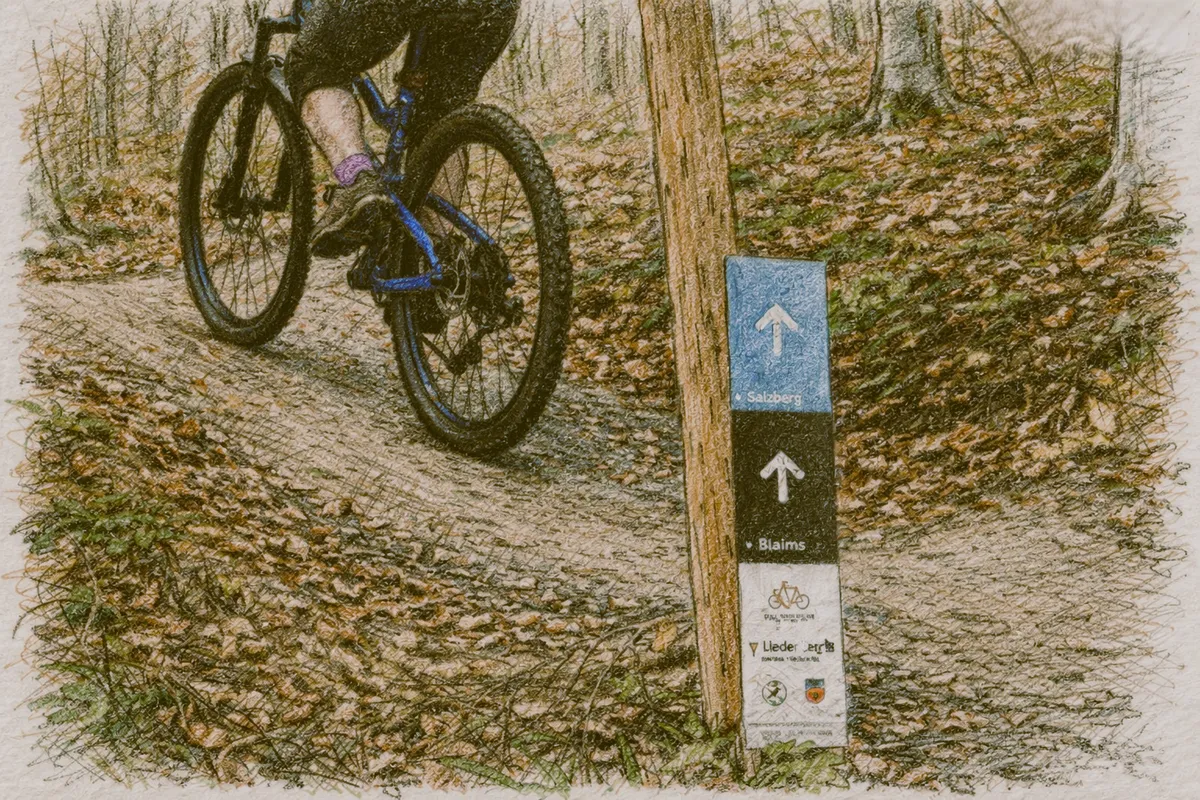
Constraints are the guideposts
The most important inputs to this decision weren't guidebook highlights or route reviews. They were personal limits: age, joints, no camping, and flexibility. 25-years ago I might have rightly chosen Tallinn.
One further note on method: published route ratings — EuroVelo certification, ADFC star grades — were a starting point, but segment-level truth came from reading actual rider logs, and where sources conflicted, I flagged the conflicts rather than averaging them away. Trust but verify.
The route is sequenced so Denmark and the exposed German coast are behind me by September 2027, with the Rhine valley and southward legs timed for late-summer warmth toward Spain. Details of the individual segments will follow in later route notes.
Do you have experience with either route? I'd appreciate knowing if the route through Poland and Latvia is reliable. I'd like it to be my destination in the near future.
Have you faced a Helsinki-or-Tallinn type choice in your own tour planning?
I'd like to hear which factors won for you — email me at tom@travelingtomas.com.
Data sources: RBER project research log (October 2026); regional press reports on Mecklenburg-Vorpommern cycle-path congestion; cyclist route surveys and rider logs for the Nordic and Baltic corridors.
Medical disclaimer: This post reflects personal route-planning decisions informed by individual health circumstances, confirmed with my physician. Consult your doctor before undertaking similar endurance activities.